
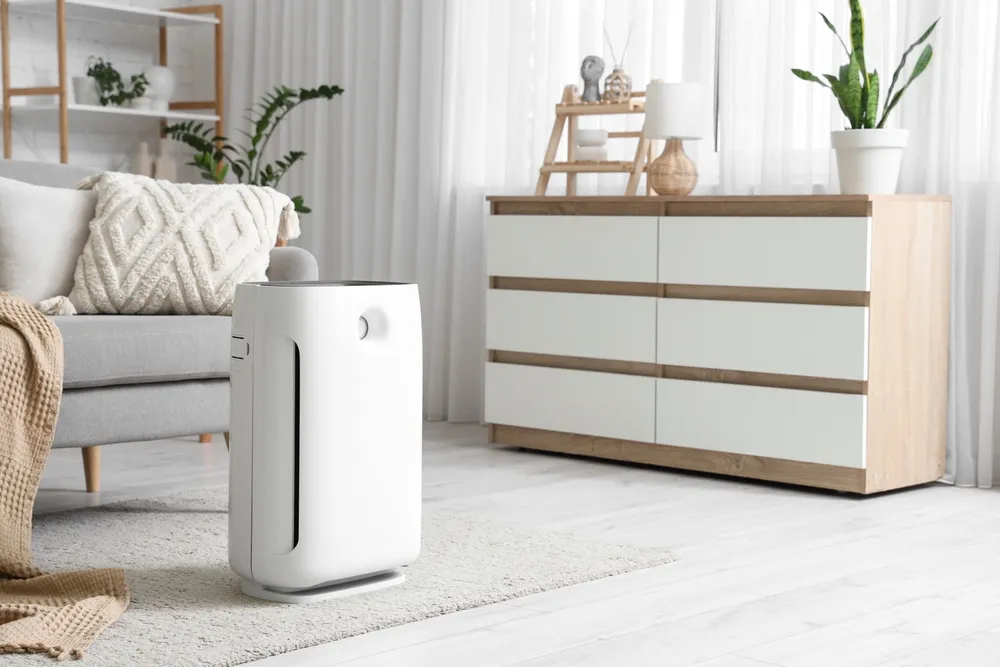
Clean indoor air is essential for maintaining a healthy and comfortable environment. As more people focus on improving air quality, air purifiers and humidifiers have become popular solutions. While both devices enhance the air we breathe, they serve very different purposes and address distinct issues in our living spaces.
If you’re researching the difference between air purifier and humidifier or searching phrases like “air purifier vs humidifier,” this guide will help you clearly understand how each device works. By learning the differences between air humidifiers and air purifier systems, you can confidently decide which solution fits your home or office.
Difference Between Air Purifier and Humidifier
Functionality Overview
Beyond their basic functions, air purifiers and humidifiers interact with your indoor environment in unique ways.
- Air purifiers clean the air by removing pollutants and allergens.
- Humidifiers increase moisture levels by releasing water vapour or steam.
Each device targets a separate aspect of indoor air quality, and understanding these distinctions is key to optimising their use.
Key Differences Explained
Air purifiers focus on improving air cleanliness by reducing pollutants such as dust, pollen, smoke, mould spores, and certain microbes. You can explore in detail how air purifiers work to understand their impact on indoor environments. Humidifiers, however, add moisture to relieve dry indoor air, helping with issues like dry skin, throat irritation, and static.
In short, air purifiers remove unwanted particles while humidifiers support humidity balance. Choosing correctly depends on whether your main concern is air pollution or dryness.
Both devices require maintenance:
- Air purifiers need filter replacements.
- Humidifiers must be cleaned frequently to prevent mineral buildup and microbial growth.
Understanding humidifier benefits and air purifier benefits will guide you toward the right solution.
Common Misconceptions That May Surprise You
1. A Humidifier Does NOT Clean the Air
Many assume humidifiers “freshen” or “purify” the air because mist feels clean. In reality:
- They do not remove dust, allergens, or pollutants.
- In overly dusty rooms, humidifiers can cause particles to settle onto surfaces faster.
This means a humidifier alone cannot solve allergy or pollution problems.
2. An Air Purifier Does NOT Fix Dry Skin or Throat Irritation
People often purchase air purifiers expecting them to relieve dryness-related discomfort. However:
- A purifier cannot add moisture.
- If humidity is too low, clean air may still feel uncomfortable.
3. More Moisture Isn’t Always Better
While humidifiers provide relief, too much humidity can:
- Encourage mould growth
- Damage wood furniture
- Create a clammy indoor environment
This unexpected downside explains why proper humidity balance matters just as much as purification.
4. Over-purification Isn’t Always Beneficial
Running ultra-strong purifiers 24/7 may:
- Strip indoor air to a level that feels “dry”
- Increase the need for frequent filter replacement
- Circulate air excessively in small rooms, causing discomfort for sensitive individuals
Health Benefits of Air Purifiers and Humidifiers
Effects on Respiratory Health
An air purifier is designed to remove contaminants from the air by drawing it through filters that capture dust, pollen, smoke, mould spores, and other allergens. This process reduces airborne irritants and can significantly alleviate allergies and asthma. High-quality purifiers may also reduce bacteria and viruses, making them particularly helpful in homes with vulnerable individuals.
Meanwhile, a humidifier adds moisture to dry air, easing symptoms such as dry throat, sinus irritation, and congestion. Moist air can improve respiratory comfort during winter or in naturally arid environments.
Impact on Skin and Overall Well-Being
Air purifiers contribute to a cleaner and fresher indoor environment by removing pollutants, odours, and smoke. This promotes overall well-being, especially for households in urban areas or homes with pets and smokers.
Humidifiers provide another dimension of comfort. By maintaining proper humidity levels, they help prevent dry skin and chapped lips, reduce static electricity, and support the health of wooden furniture and indoor plants.
Situational Use Cases
When to Opt for an Air Purifier
Air purifiers are ideal for:
- Homes with pets, smokers, or individuals with allergies or asthma
- Areas with high pollution or dust
- Spaces where mould spores are a concern
- Households sensitive to odours from pets, cooking, or smoke
- Urban environments with poor air quality
Air purifiers are indispensable in improving the quality of the air you breathe, capturing pollutants that affect comfort and health.
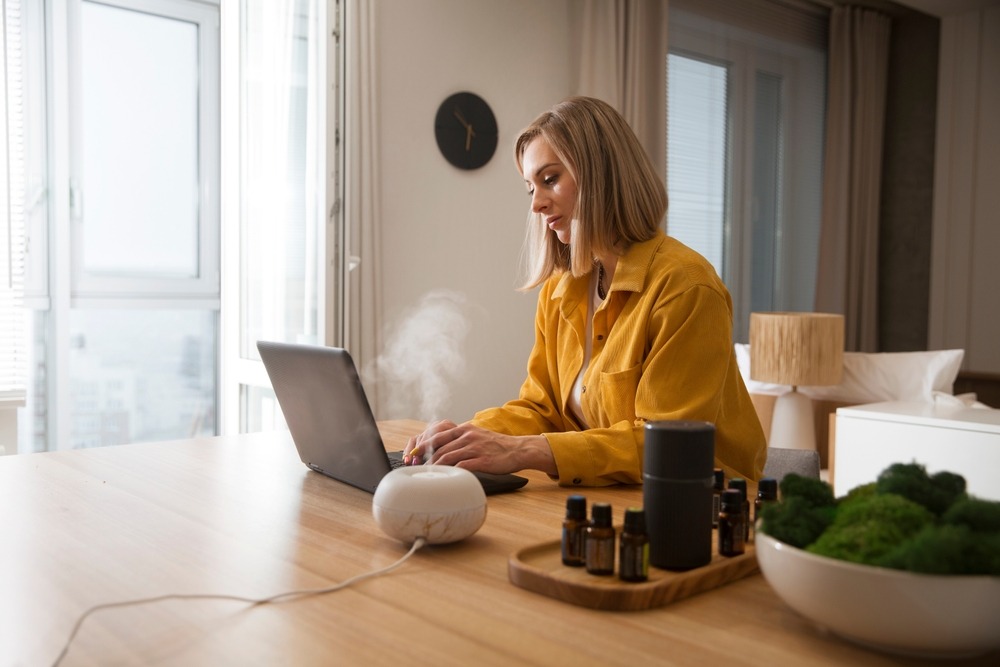
When to Opt for a Humidifier
Humidifiers are ideal for:
- Homes in dry climates or during winter when heating reduces indoor humidity
- Relief from dry skin, sore throats, and sinus discomfort
- Reducing static electricity
- Supporting indoor plant health
- Preventing dryness-related damage to furniture and musical instruments
Humidifiers are particularly effective for restoring comfort in spaces where moisture is lacking. To enhance indoor comfort holistically, explore home office essentials that complement clean air products.
Where Most People Go Wrong
Even after researching the difference between air purifier and humidifier, many people still make common mistakes that affect their indoor air quality. Understanding these pitfalls is essential when comparing humidifier vs purifier options and ensuring you get the results you expect.
Mistake 1: Buying a Humidifier for Allergy Relief
A humidifier can soothe dry air discomfort, but it does not remove allergens like dust, pollen, pet dander, or mould spores. This is why many consumers feel disappointed when their allergy symptoms persist despite using a humidifier.
To truly reduce allergens, you need an air purifier with proper filtration technology. In the humidifier and purifier comparison, this is one of the most overlooked distinctions.
Mistake 2: Assuming All Air Purifiers Remove Odours
Not every air purifier is designed to handle odours or chemicals. Many budget models only filter particles, leaving smells and VOCs untouched.
Only purifiers with an activated carbon filter can effectively remove:
- Cooking smells
- Pet odours
- Smoke
- Volatile organic compounds (VOCs)
If odour control is your priority, ensure the purifier includes a carbon layer—not just a HEPA filter.
Mistake 3: Using Both Devices Without Monitoring Humidity
Using an air purifier and humidifier together can be very effective, but only if humidity control is managed properly. Many households unknowingly create an unhealthy environment by ignoring moisture levels.
The recommended humidity range is:
- 40–60%: Ideal for comfort and air quality
- Below 30%: Air feels excessively dry, leading to irritation
- Above 60%: Too much moisture can encourage mould, dust mites, and bacterial growth
If dry air is interfering with comfort or sleep quality, you may relate to feeling tired but can’t sleep, something proper air balance can help improve.
Combining Devices: Do You Need Both?
Benefits of Using Both
In many homes, using both devices together offers the most balanced air quality solution. Air purifiers remove pollutants, while humidifiers add essential moisture. Together, they create an environment that supports breathing comfort, skin hydration, and overall well-being.
Pairing air control products with wellness habits, such as relaxation techniques or sound bath therapy, enhances overall comfort.
Limitations and Considerations
Both devices require consistent maintenance.
- Air purifier filters must be replaced regularly to ensure effectiveness.
- Humidifiers need routine cleaning to avoid microbial growth and mineral deposits.
It is also important not to over-humidify your home, as excess moisture can encourage mould growth.
Conclusion and Recommendations
Choosing between an air purifier and a humidifier depends on your primary concerns and indoor environment. If allergens, odours, and pollutants are the main issue, an air purifier is the better option. If dry air is causing skin irritation or respiratory discomfort, a humidifier is more suitable.
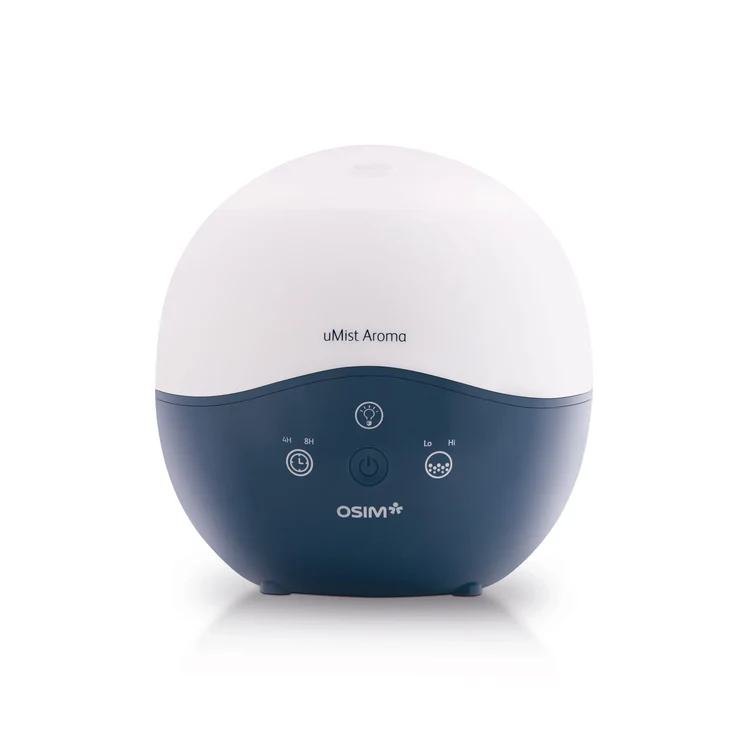
By understanding the difference between air purifier and humidifier, it becomes simpler to select the solution that aligns with your lifestyle. For those seeking to create a more soothing, comfortable environment, OSIM UK offers thoughtfully designed air purifiers and humidifiers that complement modern living. Each device reflects OSIM’s focus on wellbeing, comfort, and the pursuit of a more harmonious home. Explore OSIM UK’s collection to discover how the right air-enhancing device can elevate your everyday surroundings. Start now and find the product that best suits the atmosphere you want to create.