Massage therapy is a time-honoured practice that has been used for centuries to promote relaxation, improve circulation, and enhance overall well-being. Ancient cultures, from the Egyptians and Chinese to the Greeks and Romans, documented the therapeutic benefits of massage as part of their healing traditions. Today, massage therapy continues to evolve, offering a wide range of techniques designed to support both physical and mental health.
With so many options available, understanding the different types of massage therapy can help you choose the approach that best suits your needs. Below, we explore the different types of massages, their characteristics, and the benefits of massage, helping you make an informed decision for your wellness journey.
Swedish Massage
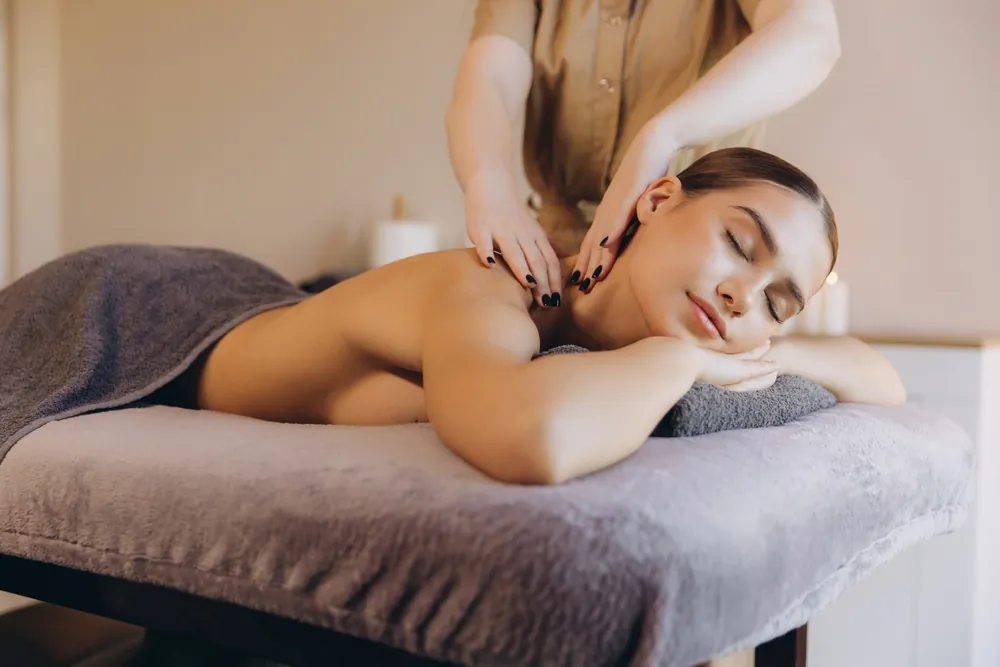
One of the most popular and commonly practised forms of massage therapy, Swedish massage uses long, gliding strokes, kneading, and circular movements on the top layers of muscles. The strokes are typically applied in the direction of blood flow back towards the heart, encouraging relaxation and circulation.
Swedish massage is ideal for those new to massage therapy or anyone seeking stress relief and overall relaxation. It is often recommended for people experiencing general tension, sleep difficulties, or mental fatigue, particularly when paired with calming environments similar to a spa-like atmosphere at home.
Key benefits of Swedish massage include:
- Promotes relaxation and reduces stress
- Improves blood circulation and oxygen delivery
- Eases muscle tension and stiffness
- Enhances flexibility and range of motion
Deep Tissue Massage
Deep tissue massage focuses on the deeper layers of muscles and connective tissue. It uses slower, more deliberate strokes and sustained pressure to target chronic tension, muscle knots, and tight areas that are often resistant to lighter massage techniques.
Unlike Swedish massage, deep tissue massage is typically applied to specific problem areas rather than the entire body. It is commonly recommended for individuals experiencing ongoing pain, limited mobility, or muscle imbalances, as well as for athletes and those recovering from injuries. It can also be especially helpful for people dealing with nerve-related discomfort, such as sciatica, you can learn more in this article on massage for sciatica pain.
Hot Stone Massage
Hot stone massage involves placing smooth, heated stones on specific areas of the body. The warmth allows muscles to relax more deeply, enabling effective pressure without excessive force.
This technique is especially effective for individuals experiencing stress-related stiffness or circulation concerns. Similar heat-based approaches are also explored in heat massager therapy, which highlights how warmth can support relaxation and muscle relief.
While deeply soothing, hot stone massage may not be suitable for individuals with heat sensitivity or certain medical conditions.
Aromatherapy Massage

Aromatherapy massage combines traditional massage techniques with essential oils chosen for their therapeutic properties. These oils are absorbed through the skin and inhaled, influencing both physical and emotional responses.
Each essential oil offers different benefits, ranging from relaxation and stress relief to invigoration and mental clarity. Aromatherapy massage pairs well with stress-management practices and relaxation techniques often used to support sleep, such as ways to fall asleep faster or managing tiredness without restful sleep.
Thai Massage
Thai massage, often referred to as “yoga massage,” is a traditional healing practice that combines acupressure, assisted stretching, and rhythmic compression. Unlike many Western massage techniques, Thai massage is performed on a mat on the floor, and clients remain fully clothed.
The therapist uses their hands, elbows, knees, legs, and feet to guide the body through a series of stretches, helping to release tension and improve flexibility.
Sports Massage
Sports massage is designed for athletes and physically active individuals. It focuses on preventing injuries, improving performance, and supporting recovery. Techniques may include deep tissue massage, stretching, and trigger point therapy.
Sports massage can be used before physical activity to prepare muscles, after exercise to reduce soreness, or as part of ongoing maintenance for optimal performance. If you’re wondering about exercising after a massage, check out this helpful guide on whether you should exercise after a massage.
Therapeutic Massage
Therapeutic massage is a broad category that combines various techniques to address specific health concerns. Sessions are often tailored to individual needs, drawing from Swedish, deep tissue, or trigger point methods.
This approach is commonly used for managing chronic pain, reducing stress, and supporting the body’s natural healing processes.
Relaxation Massage
Relaxation massage, sometimes called classic massage, focuses on calming the nervous system through gentle, flowing movements. Pressure is light to moderate, with the goal of promoting tranquillity rather than targeting deep muscle tension.
It is ideal for individuals looking to unwind, improve sleep quality, and manage everyday stress. For more insights on incorporating wellness into daily routines, read about the role of self-care in everyday life.
Shiatsu Massage
Shiatsu is a Japanese massage technique rooted in traditional Chinese medicine. It involves applying rhythmic pressure along the body’s energy pathways, known as meridians, using fingers, palms, elbows, or thumbs.
Rather than focusing solely on muscles, Shiatsu aims to support the body’s natural energy flow. This technique is often used to reduce stress, ease muscle tension, and promote overall balance. Shiatsu massage is typically performed fully clothed and is well suited to individuals who prefer pressure-based techniques without oils.
Trigger Point Massage
Trigger point massage focuses on specific areas of tight muscle fibres, often referred to as knots, that can cause pain or discomfort both locally and in other parts of the body. These trigger points may develop due to stress, repetitive movement, poor posture, or injury.
During this type of massage, sustained pressure is applied directly to these tension points to encourage the muscle to release. Although the pressure can feel intense at times, the goal is to reduce pain, restore movement, and improve overall muscle function. Trigger point massage is commonly used to address headaches, shoulder tension, lower back pain, and limited range of motion.
Craniosacral Therapy
Craniosacral therapy is a very gentle form of bodywork that uses light touch to assess and release tension in the head, spine, and sacrum. The approach focuses on supporting the nervous system rather than directly manipulating muscles.
Because of its subtle nature, craniosacral therapy is often chosen by individuals who are sensitive to pressure or dealing with stress-related tension, headaches, or fatigue. While the technique feels minimal, many people report a deep sense of relaxation and mental clarity following treatment.
Lymphatic Drainage Massage
Lymphatic drainage massage is a gentle technique designed to stimulate the lymphatic system, which plays a key role in immune function and fluid balance. Using light, rhythmic movements, this massage encourages the natural flow of lymph throughout the body.
It is commonly used to reduce swelling, support detoxification, and aid recovery after illness or surgery. Because it relies on very light pressure, lymphatic drainage massage is calming rather than stimulating, making it suitable for individuals seeking a gentle and restorative experience.
Acupressure Massage
Acupressure massage is similar in principle to acupuncture but does not involve needles. Instead, it uses firm pressure applied to specific points on the body associated with energy flow and tension relief.
This technique is often used to relieve muscle discomfort, reduce stress, and promote relaxation. Acupressure can be applied as a standalone massage or integrated into other massage styles, making it a flexible option among the different types of massage available.
Chair Massage

Chair massage is a convenient and accessible form of massage performed while seated in a specially designed chair. It typically focuses on the neck, shoulders, back, arms, and hands, and sessions are shorter than traditional massages.
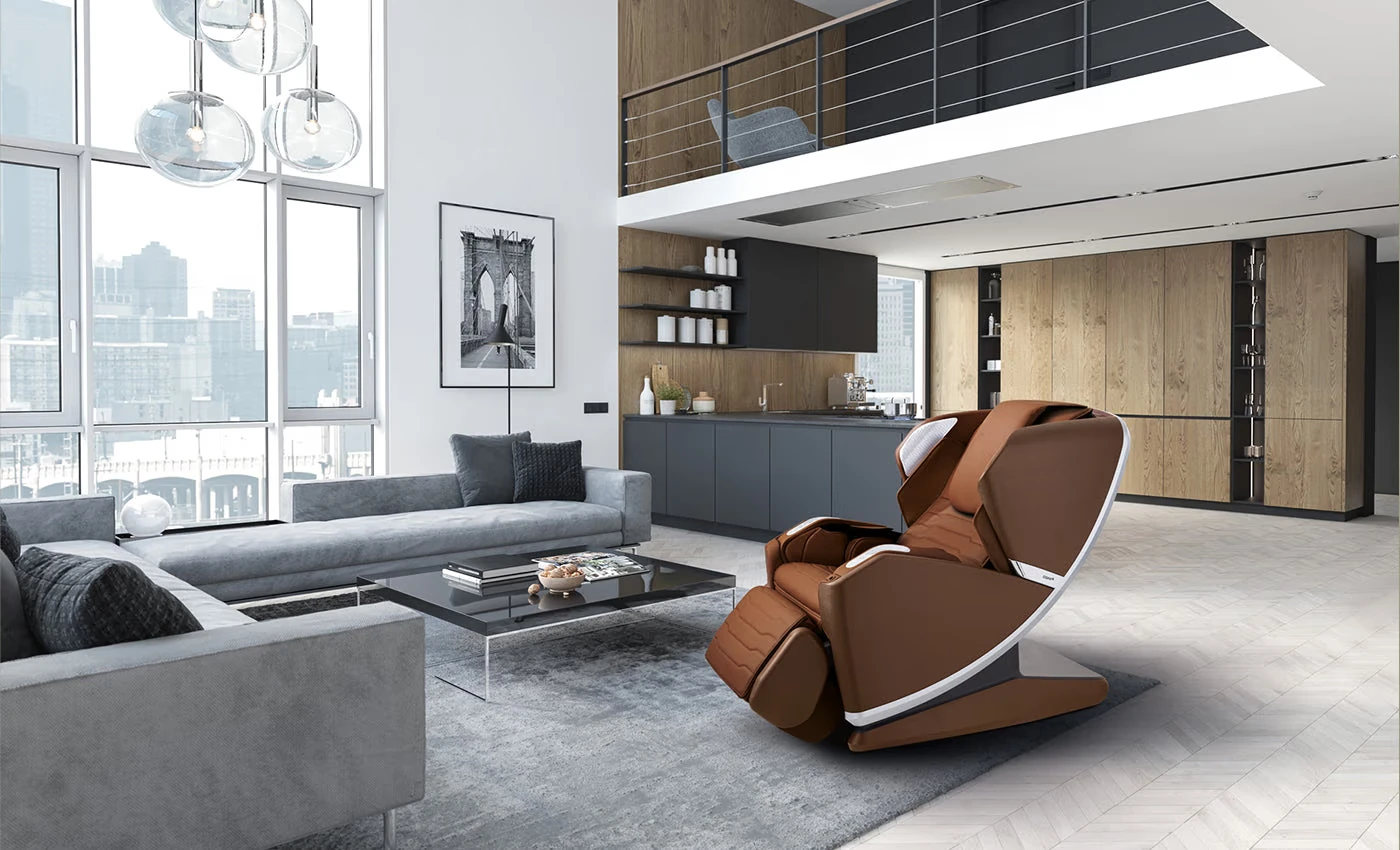
Chair massage is commonly offered in workplaces, public spaces, or wellness events. It is ideal for quick stress relief, improving posture-related tension, and refreshing the body without the need for changing clothes or extended downtime. For a similar experience at home, explore premium massage chairs and wellness devices on Osim UK.
Different Types of Massage: Comparison Overview
The table below provides a clear overview of the different types of massage, highlighting what each technique is best suited for and any key considerations to keep in mind.
| Massage Type | Best Suited For | Key Consideration |
| Swedish Massage | Relaxation, first-time massage | Limited deep muscle work |
| Deep Tissue Massage | Chronic muscle tension and pain | Can feel intense during treatment |
| Hot Stone Massage | Stress relief and muscle stiffness | Not suitable for heat sensitivity |
| Aromatherapy Massage | Emotional balance and relaxation | Possible sensitivity to essential oils |
| Thai Massage | Flexibility and mobility improvement | Can feel physically demanding |
| Sports Massage | Active lifestyles and recovery | Less focused on relaxation |
| Therapeutic Massage | Targeted health concerns | Often requires ongoing sessions |
| Relaxation Massage | Stress and sleep support | Not designed for pain relief |
| Shiatsu Massage | Energy balance and stress relief | Pressure-based technique |
| Trigger Point Massage | Muscle knots and referred pain | Pressure may feel uncomfortable |
| Craniosacral Therapy | Nervous system calming | Very subtle, gentle approach |
| Lymphatic Drainage Massage | Swelling and fluid retention | Requires trained practitioners |
| Acupressure Massage | Stress and tension relief | Focuses on specific pressure points |
| Chair Massage | Quick relief during busy schedules | Limited to upper body |
Who Should Avoid Certain Types of Massage
Massage therapy is generally safe, but certain individuals should exercise caution or seek medical advice before treatment. People with acute infections, fever, severe inflammation, blood clotting disorders, or open wounds may need to avoid massage altogether until symptoms resolve.
More intensive techniques, such as deep tissue or sports massage, may not be appropriate for individuals with osteoporosis, nerve damage, or fragile skin. Pregnant individuals should only receive prenatal massage from qualified professionals trained in pregnancy-safe techniques.
How to Choose the Right Massage
Choosing between the different types of massage begins with identifying your primary goal. Some people seek relaxation, while others prioritise pain relief, recovery, or improved mobility. Existing health conditions, comfort with pressure, and personal preferences should also guide your decision.
Trying different techniques over time can help you better understand what your body responds to, allowing you to refine your wellness routine as your needs evolve.
Frequently Asked Questions
- How often should I get a massage?
For general relaxation, monthly sessions may be sufficient. Those managing pain or recovery may benefit from weekly or bi-weekly treatments. - What is the best massage for stress relief?
Swedish massage, aromatherapy massage, and relaxation massage are commonly recommended for managing stress. - Which massage is best for muscle pain?
Deep tissue massage, sports massage, and therapeutic massage are often effective for muscle-related discomfort. - Can massage help improve sleep?
Yes, many massage techniques promote relaxation and nervous system regulation, which can support better sleep quality. - Is massage suitable for older adults?
Gentle techniques are generally suitable, provided there are no contraindications. - Do massage benefits last?
Massage benefits can be immediate and cumulative, especially when sessions are part of a consistent routine.
Final Summary
Massage therapy offers far more than momentary relaxation. By understanding the different types of massage, you can make informed choices that support your physical comfort, mental clarity, and emotional wellbeing. From gentle relaxation techniques to targeted therapeutic approaches, massage can play a meaningful role in a balanced, healthy lifestyle.
Incorporating massage into your regular wellness routine can help you manage stress more effectively, support recovery, and feel more connected to your body, paving the way for long-term wellbeing.
If you’re looking for ways to bring relaxation into your home, you can explore premium massage chairs and wellness devices from OSIM UK to enjoy many of these benefits anytime, right in your own space.