
Modern life often prioritises convenience over balance. Long hours at a desk, repeated habits, and favouring one side of the body can quietly affect how we move and feel. Over time, these routines may lead to muscle imbalance, where certain muscles work harder while others become underused.
Understanding how to fix muscular imbalance is not about forcing corrections. Instead, it is about restoring muscle balance through awareness, gentle movement, and daily recovery. This article explores how to fix muscular imbalance through simple daily movement, lifestyle awareness, and restorative recovery, helping you support balance in a calm and sustainable way.
Understanding Muscular Imbalance in Modern Lifestyles
Muscle imbalance develops when certain muscles become dominant while others are less engaged. This often happens gradually and without noticeable warning signs. Many people only recognise the issue when movement starts to feel restricted or uneven.
Everyday routines can influence muscle function more than we realise. Prolonged sitting, limited movement patterns, and poor posture can encourage muscle asymmetry over time. If you spend much of the day seated, it may be helpful to understand how a bad back from sitting develops and why regular movement matters.
Rather than presenting as pain, muscular imbalance often appears as stiffness, fatigue, or reduced comfort during daily activities. Recognising these early signs helps support balance before discomfort becomes part of everyday life.
Everyday Habits That Lead to Muscle Disbalance
Muscle disbalance is rarely caused by a single action. It usually develops through small, repeated behaviours that feel natural or comfortable.
Common habits include:
- Sitting for long periods with limited movement
- Standing with weight shifted to one side
- Using the same hand or shoulder for daily tasks
- Sleeping consistently on one side
Over time, these habits can alter natural movement patterns and affect how muscles share the workload. This imbalance may reduce full range of motion and limit how easily the body adapts to everyday demands.
Simply varying positions and movements throughout the day encourages muscles to engage more evenly.
The Role of Weaker Muscles in Daily Comfort
When muscle imbalance develops, attention often goes to tight or dominant muscles. However, weaker muscles play an equally important role in overall balance.
Weaker muscles are not necessarily lacking strength. They are often underused due to habitual movement or posture. This can affect core stability, posture, and overall coordination. Simple seated movements that encourage engagement, such as controlled leg extensions, can help reconnect underused muscles.
This imbalance can make everyday movement feel less efficient. Walking, standing, or even resting may require more effort than necessary. Supporting weaker muscles gently helps restore natural coordination without strain.
How to Fix Muscular Imbalance Through Daily Movement, Recovery, and Awareness
Fixing muscular imbalance does not require extreme routines or intense effort. In fact, overly aggressive approaches may disrupt natural muscle function. A lifestyle-based approach is more effective and sustainable.
Move More, but Move Differently
The body benefits from variety. Muscular imbalance often develops when movement becomes repetitive or limited.
Introducing simple changes helps restore balance:
- Standing up and moving regularly during the day
- Changing posture frequently
- Taking short walks to encourage natural movement
These small shifts support healthier movement patterns without adding pressure or complexity. If you work at a desk, incorporating simple seated stretches can help restore mobility and support comfort without disrupting your routine.
Support Both Sides of the Body
Many people unconsciously favour one side of the body. Over time, this reinforces muscle asymmetry.
Using both sides of the body more evenly during daily activities helps encourage balance. Switching the hand you carry items with, or paying attention to how you stand and sit, can naturally re-engage muscles.
Stretch to Release Tension and Improve Range
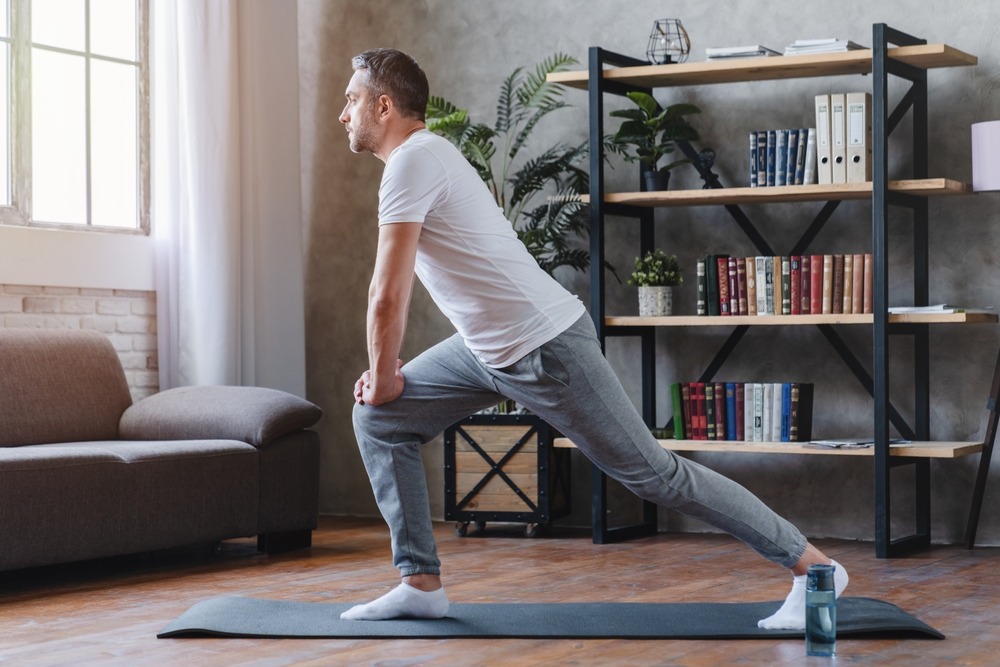
Stretching supports balance when approached gently. Tight muscles, such as hip flexors affected by prolonged sitting, often respond best to regular, relaxed stretching.
Releasing tension supports comfort and encourages a healthier range of motion. For deeper insight into recovery and flexibility, this guide on speeding up muscle recovery offers practical lifestyle advice.
Strength Training Without Overcorrection
Strength training can support balance when done mindfully. The goal is not to push harder, but to move with control.
Simple, balanced movements that engage multiple muscle groups help support muscle function and core stability. Unilateral exercises, which work one side of the body at a time, can help improve awareness and coordination when used gently and evenly.
Recovery Helps Muscles Reset
Recovery plays a vital role in restoring balance. When the body relaxes, muscles are less likely to hold unnecessary tension.
Creating moments of relaxation at home allows muscles to reset naturally. Premium home wellness solutions from OSIM complement this approach by supporting relaxation, comfort, and ease as part of daily life, rather than as a corrective measure.
Consistency Matters More Than Intensity
Muscle imbalance develops gradually, and improvement follows the same pace. Consistency allows the body to adapt without strain.
Over time, movement often feels smoother, posture more balanced, and daily activities more comfortable. These subtle changes signal progress.
Fixing Muscular Imbalance Can Be Done the Wrong Way
While the intention to improve balance is positive, certain approaches can create further imbalance.
Common mistakes include:
- Over focusing on one area
- Pushing too hard or too quickly
- Ignoring recovery
Some people turn to a physical therapist when imbalance begins to affect daily comfort. Even then, the focus is usually on restoring balance gradually rather than forcing correction.
The Risk of Overcorrecting Muscular Imbalance
Over correcting muscular imbalance can place unnecessary stress on the body. Striving for perfect symmetry may overlook natural variation in movement and structure.
Balance should feel comfortable and sustainable. Allowing the body to adjust naturally supports long term comfort and stability.
Gentle Daily Signs Your Body Is Rebalancing
Progress is often subtle. Rather than dramatic change, improvement shows up quietly.
You may notice:
- Standing or walking feels more even
- Reduced tension during daily movement
- Greater ease during rest and relaxation
These signs suggest improved muscle function and coordination.
How Long Does It Take to Fix Muscle Imbalance?
A common question is how long does it take to fix muscle imbalance. There is no single answer, as progress depends on lifestyle, consistency, and daily habits.
Rather than focusing on timelines, it is more helpful to focus on routine. Gentle movement, awareness, and relaxation support steady improvement over time. This article on why self-care is important offers useful perspectives.
Creating a Home Environment That Supports Muscle Balance
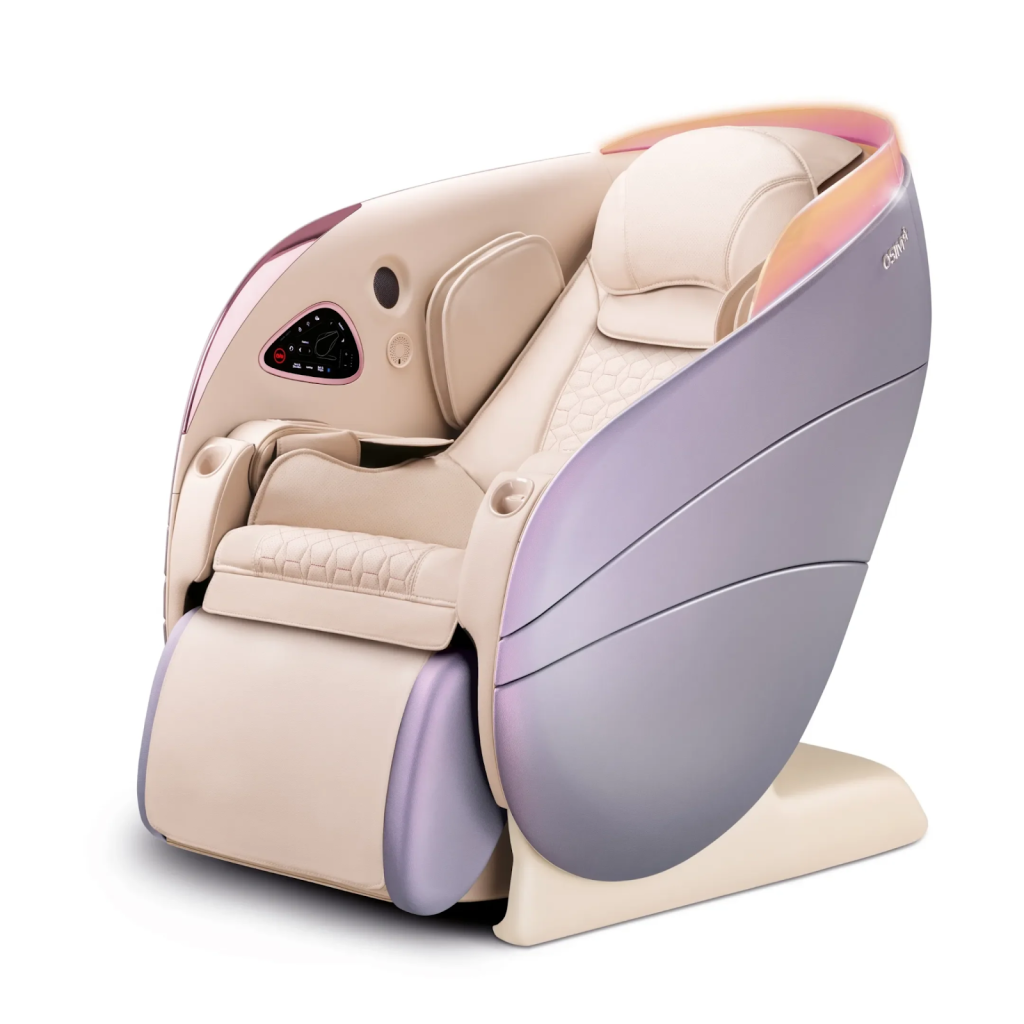
For busy professionals and families, home wellness plays an important role in maintaining balance. A calm environment supports recovery and encourages daily reset.
Creating a spa-like atmosphere at home helps counteract daily stress. Many people also explore massage machine benefits as part of a refined approach to everyday comfort
Viewing muscular balance as part of overall lifestyle quality reframes it as an investment in long term wellbeing.
Conclusion
Learning how to fix muscular imbalance does not require extreme routines or constant correction. It is about awareness, gentle movement, and allowing the body time to adapt.
By improving movement patterns, supporting weaker muscles, prioritising recovery, and maintaining consistency, balance can return naturally. When supported by a calm home wellness environment, these habits become part of everyday living.To explore how premium relaxation solutions can support your daily balance and comfort, discover OSIM’s range of wellness products such as massage chairs designed for modern lifestyles. Start enhancing your home wellness experience with OSIM UK today.