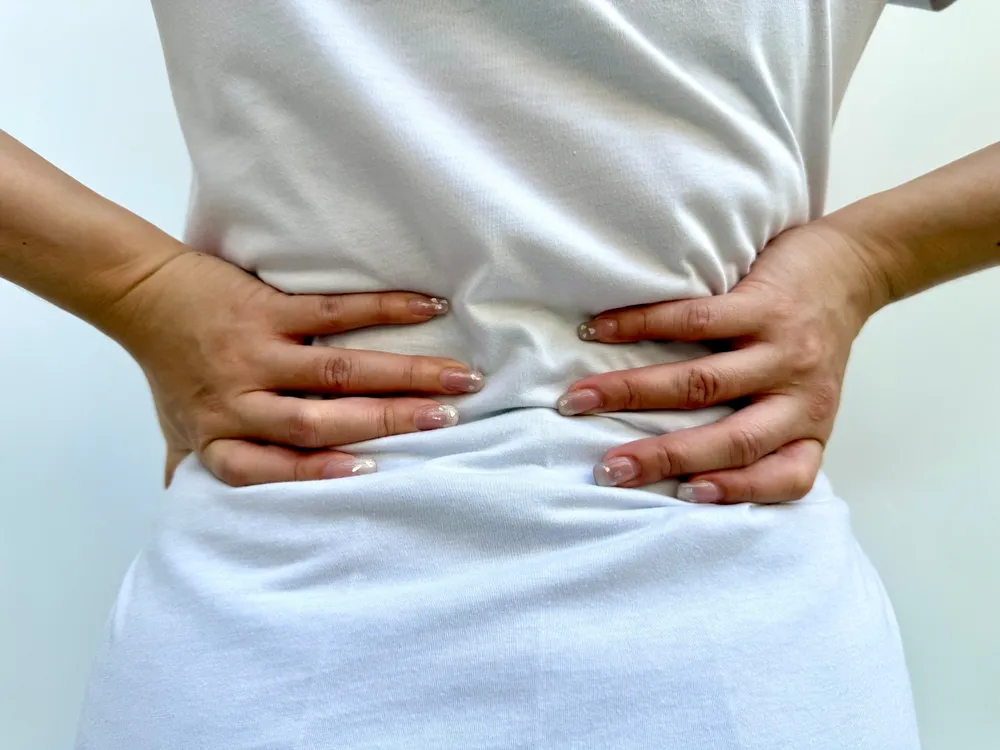

Massage guns have become popular tools for muscle recovery and pain relief. These devices deliver percussive therapy, a form of mechanical stimulation often grouped under vibration therapy. But do massage guns work? This article provides a structured examination of the effects of massage guns by reviewing their mechanisms, claimed benefits, and the scientific evidence supporting their use.
Understanding Percussive Therapy and Massage Guns
Percussive therapy, sometimes abbreviated as DPT (deep percussive therapy), involves rapid, localised pressure applied to muscle tissue. Massage guns are handheld devices designed to deliver this form of vibrating massage efficiently and consistently.
What is a Massage Gun?
A massage gun is a handheld, battery-operated device equipped with a motor that drives an oscillating head. This head rapidly vibrates or “percusses” against the body’s soft tissues. Various attachments can be interchanged to target different muscle groups or achieve specific effects.
How Do Massage Guns Work?
Massage guns operate by delivering rapid, short-duration pulses into the body’s soft tissues. This action generates vibrations that penetrate muscle fibres. The primary mechanisms of action include mechanical stimulation of muscle receptors, disruption of adhesions in fascia, and modulation of neural pathways involved in pain perception.
The percussive force can temporarily increase local circulation by stimulating nearby blood vessels, which may assist with nutrient delivery and metabolic waste removal, including lactic acid accumulation after intense exercise.
The Claimed Benefits of Massage Guns
Manufacturers and users often report several benefits associated with massage gun use. These claims extend across various aspects of muscle health and recovery.
Reduced Muscle Soreness (DOMS)
Delayed onset muscle soreness (DOMS) is a common condition characterised by muscle pain and stiffness that appears 24 to 72 hours after unaccustomed or strenuous exercise. Massage guns are often claimed to alleviate DOMS by reducing muscle tension and promoting waste product removal.
Improved Muscle Recovery
Muscle recovery refers to the physiological processes that restore muscle function after exercise. This includes repairing muscle damage, replenishing energy stores, and reducing inflammation. Massage guns are purported to accelerate these recovery processes, allowing individuals to return to activity sooner.
Increased Range of Motion
Range of motion (ROM) is the extent to which a joint can be moved. Limited ROM can result from muscle tightness or stiffness. Massage guns are believed to increase ROM by relaxing tense muscles and improving tissue elasticity.
Enhanced Blood Flow
Blood flow is essential for delivering oxygen and nutrients to muscles and for removing metabolic byproducts. Improved circulation can facilitate muscle repair and reduce inflammation. Massage guns are marketed as tools that can enhance localised blood flow.
Pain Relief
Massage guns are frequently used to manage muscle-related pain, including chronic pain conditions. The mechanical stimulation may modulate pain signals through the gate control mechanism of the nervous system, offering temporary relief. This makes them a useful adjunct to conventional physical therapy or supervised recovery programmes.
Scientific Evidence Supporting Massage Gun Efficacy
This section reviews current research findings on how effective massage guns are for soreness, recovery, flexibility, circulation, and pain management. While anecdotal reports are common, scientific research provides a more objective assessment of massage gun effectiveness. Studies have investigated many of the claimed benefits.
Research on Delayed Onset Muscle Soreness (DOMS)
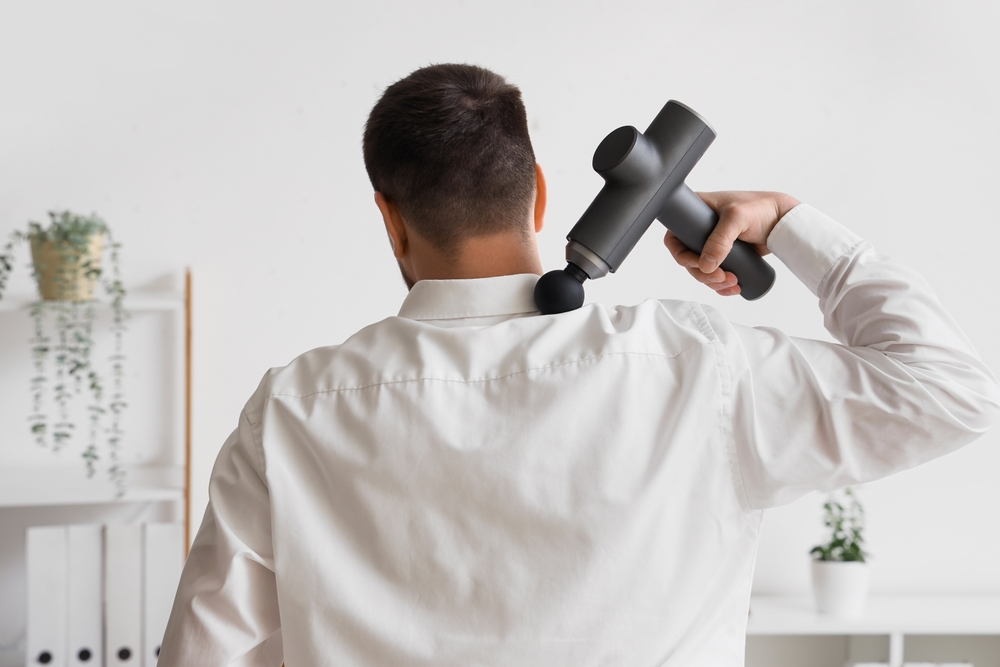
Several studies have explored the impact of massage guns on DOMS. Research indicates that percussive therapy can be effective in reducing the perception of soreness after exercise. For instance, some studies compare the effects of percussive therapy with traditional massage, finding comparable benefits in DOMS reduction. The mechanism often involves improved local circulation and a reduction in muscle stiffness, which are factors contributing to DOMS. However, the extent of reduction can vary depending on the intensity and duration of treatment.
Studies on Muscle Recovery and Performance
The impact of massage guns on muscle recovery, beyond DOMS reduction, has also been a subject of scientific inquiry. While massage guns can contribute to a feeling of recovery, direct evidence of accelerated physiological repair processes, such as protein synthesis or glycogen replenishment, is less conclusive. Some studies suggest that percussive therapy may help restore muscle power and reduce fatigue more quickly after intense exercise. This suggests an indirect effect on performance by improving muscle readiness.
Evidence for Range of Motion Improvement
Research generally supports the claim that massage guns can increase an individual’s range of motion. Studies have shown that a brief application of percussive therapy can lead to immediate improvements in flexibility and joint mobility. This effect is thought to be due to the temporary relaxation of muscle tissue and reduction in muscle spindle sensitivity, which allows for greater stretch without discomfort. These improvements are often transient, meaning consistent application may be necessary to maintain enhanced flexibility.
Findings on Blood Circulation
The assertion that massage guns enhance blood flow has received some support from scientific investigations. Studies using Doppler ultrasound or other imaging techniques have demonstrated an increase in localised blood flow following percussive therapy. This increased circulation can aid in the delivery of oxygen and nutrients to muscle tissue while facilitating the removal of metabolic waste products, potentially contributing to faster recovery and reduced muscle fatigue.
Investigations into Pain Reduction
Massage guns are frequently used for pain relief. Scientific investigations into this claim suggest that percussive therapy can indeed reduce muscle pain. This effect is attributed to several factors: the mechanical stimulation can override pain signals through the gate control theory of pain, the reduction of muscle tension can alleviate pressure on nerve endings, and the local increase in blood flow can reduce inflammatory mediators. The pain relief is typically localised and temporary, offering a method for acute pain management.
Limitations and Considerations
Despite their benefits, massage guns require correct usage and are not suitable for all individuals or conditions. While massage guns offer potential benefits, users must be aware of their limitations and proper usage. Misuse can lead to adverse effects.
Proper Usage Techniques
Correct application is crucial for efficacy and safety. Users should start with lower settings and gradually increase intensity. The device should be moved continuously over the muscle rather than held stationary on one spot to avoid bruising or discomfort. Bony areas and major nerves should be avoided. A typical session for a muscle group might last 30-60 seconds.
Potential for Misuse
Improper use can result in complications. Excessive pressure, prolonged application to a single area, or use on inappropriate body parts can cause bruising, skin irritation, nerve damage, or exacerbate existing injuries. Users should consult instructions and potentially seek guidance from a healthcare professional or massage therapist.
Contraindications and When Not to Use
There are specific situations where massage gun use is contraindicated. These include areas with open wounds, fractures, sprains, varicose veins, or recent surgical sites. Individuals with certain medical conditions, such as deep vein thrombosis, severe osteoporosis, or certain heart conditions, should avoid using massage guns without medical consultation. Pregnant individuals should also exercise caution and seek professional advice.
Comparison with Other Recovery Modalities
Massage guns are one of many recovery tools. Traditional manual massage, foam rolling, stretching, and cryotherapy are other common methods. Each modality has distinct mechanisms and benefits. Manual massage often allows for greater nuanced palpation and targeted release. Foam rolling provides a broader, less intense pressure. Stretching focuses on elongation and flexibility. Massage guns offer convenience and intensity that some other methods may not provide. For a broader look at recovery tools, you may also find our guide to massage chairs helpful for understanding full-body relaxation options. The effectiveness of one over another can depend on individual needs and preferences.
Who Can Benefit Most from Massage Guns?
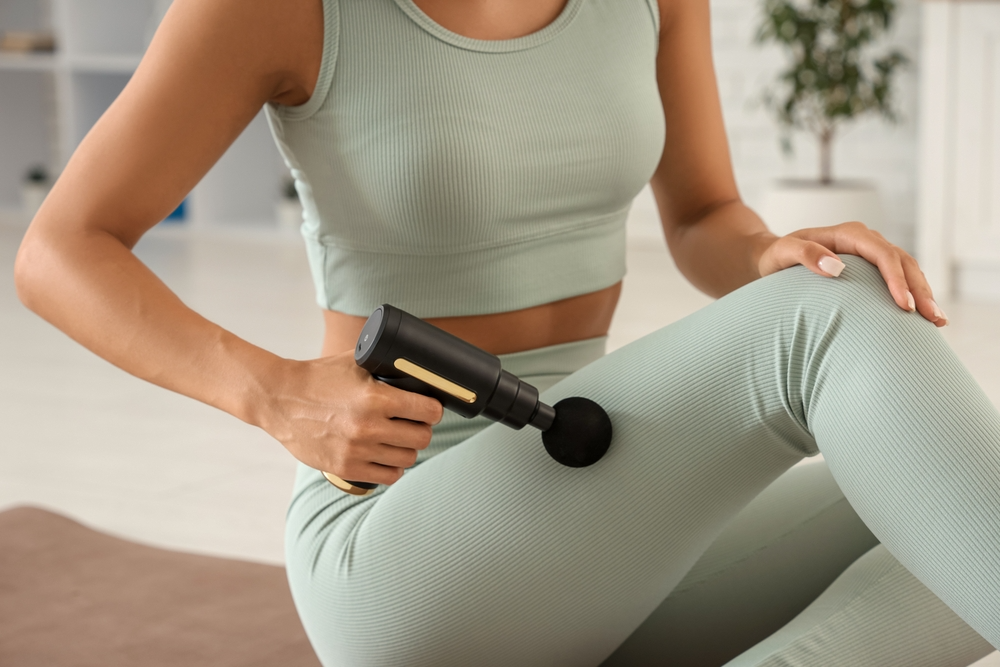
Certain populations are more likely to experience significant benefits from using massage guns.
Athletes and Fitness Enthusiasts
Athletes and individuals who regularly engage in strenuous physical activity often experience muscle soreness and stiffness. Massage guns can be a valuable tool for pre-workout activation, post-workout recovery, and managing DOMS, helping to maintain performance and reduce downtime.
Individuals with Muscle Stiffness
People experiencing general muscle stiffness due to sedentary lifestyles, poor posture, or occupational demands can find relief with massage guns. The percussive action can help to loosen tight muscles and improve flexibility.
Those Seeking General Wellness
Beyond specific athletic or medical applications, massage guns can contribute to general well-being by reducing everyday muscle tension and promoting relaxation. Regular, gentle use can be part of a self-care routine for muscle maintenance.
Choosing a Massage Gun: Key Factors
Key technical features determine how effective and comfortable a massage gun will be for different users. Selecting the right massage gun involves considering several technical specifications and features.
Amplitude and Stall Force
Amplitude refers to how far the massage gun head travels into the muscle, influencing the depth of treatment. A higher amplitude (e.g., 12-16mm) generally indicates deeper tissue penetration. Stall force is the amount of pressure the motor can withstand before stalling. Higher stall force (e.g., 30-60 lbs) indicates a more powerful device capable of delivering more intense percussive therapy without stopping.
Speed Settings
Most massage guns offer multiple speed settings, allowing users to adjust the intensity of the percussion. A wider range of speeds provides greater versatility for different muscle groups and sensitivity levels. Lower speeds are suitable for sensitive areas or warm-up, while higher speeds can be used for deep tissue work.
Battery Life
Battery life determines how long the device can be used on a single charge. Longer battery life is convenient, especially for frequent users or those who travel. Typical battery life ranges from 2 to 6 hours, depending on the model and usage intensity.
Attachment Heads
Massage guns typically come with various attachment heads, each designed for specific purposes.
- Round head: General use for large muscle groups.
- Flat head: Suitable for dense muscles and overall body massage.
- Fork/Spinal head: Designed for use around the spine and neck, avoiding direct contact with bones.
- Bullet head: For pinpoint treatment, targeting knots or trigger points. The availability and variety of heads enhance the gun’s versatility.
Noise Level
The noise produced by a massage gun can impact user experience. Quieter models, typically under 60 decibels, are often preferred for their less disruptive operation. Motor technology, such as brushless motors, can contribute to reduced noise.
Conclusion: Do Massage Guns Work?
So, do massage guns work? Current scientific evidence suggests that massage guns are effective for reducing delayed onset muscle soreness, improving range of motion, enhancing localised blood flow, and providing short-term relief for sore muscles and muscle-related discomfort. While they do not directly accelerate deep physiological repair or long-term muscle adaptation, their role in supporting recovery, relaxation, and neuromuscular readiness is well supported when used correctly.
As part of a broader recovery routine that might include massage therapy, stretching, foam rolling, or physical therapy, massage guns provide an accessible form of percussive and vibration therapy for home use.
For those looking to experience these benefits with a trusted wellness brand, OSIM offers a premium range of portable and handheld massagers designed to support effective self-massage, muscle relaxation, and everyday recovery. Whether you are managing post-workout fatigue, muscle stiffness, or general tension, OSIM massage guns combine advanced vibrating massage technology with ergonomic design to support recovery safely and comfortably. Explore OSIM’s range to see how a high-quality massage gun can fit into your recovery routine.